First aid / प्राथमिक उपचार
Low blood sugar, also called hypoglycemia, happens most often in people with diabetes who use insulin or certain diabetes medicines. It can come on in minutes and needs fast treatment with sugar — but only if the person is awake and can swallow safely.रगतमा चिनी कम हुनु, जसलाई हाइपोग्लाइसेमिया पनि भनिन्छ, प्रायः insulin वा मधुमेहका निश्चित औषधि प्रयोग गर्ने व्यक्तिमा हुन्छ। यो केही मिनेटमै देखिन सक्छ र छिटो उपचार चाहिन्छ — तर व्यक्ति होसमा हुनुहुन्छ र सुरक्षित रूपमा निल्न सक्नुहुन्छ भने मात्र मुखबाट चिनी दिनुहोस्।
Written in plain language by the NepalDoc team for general education. Facts are checked against the primary sources listed at the end of this page.
यो पृष्ठ नेपालडक टोलीले सामान्य शिक्षाका लागि सरल भाषामा लेखेको हो। तथ्यहरू यस पृष्ठको अन्त्यमा दिइएका प्राथमिक स्रोतहरूसँग जाँचिएका छन्।
Clinical review: pendingClinical review: pending — this page has not yet been signed off by a named clinician. When a review happens, the reviewer's name and the date will appear here.
क्लिनिकल समीक्षा बाँकी छ — यो पृष्ठ अझै नाम तोकिएका चिकित्सकबाट स्वीकृत भएको छैन। समीक्षा भएपछि समीक्षकको नाम र मिति यहाँ देखिनेछ।
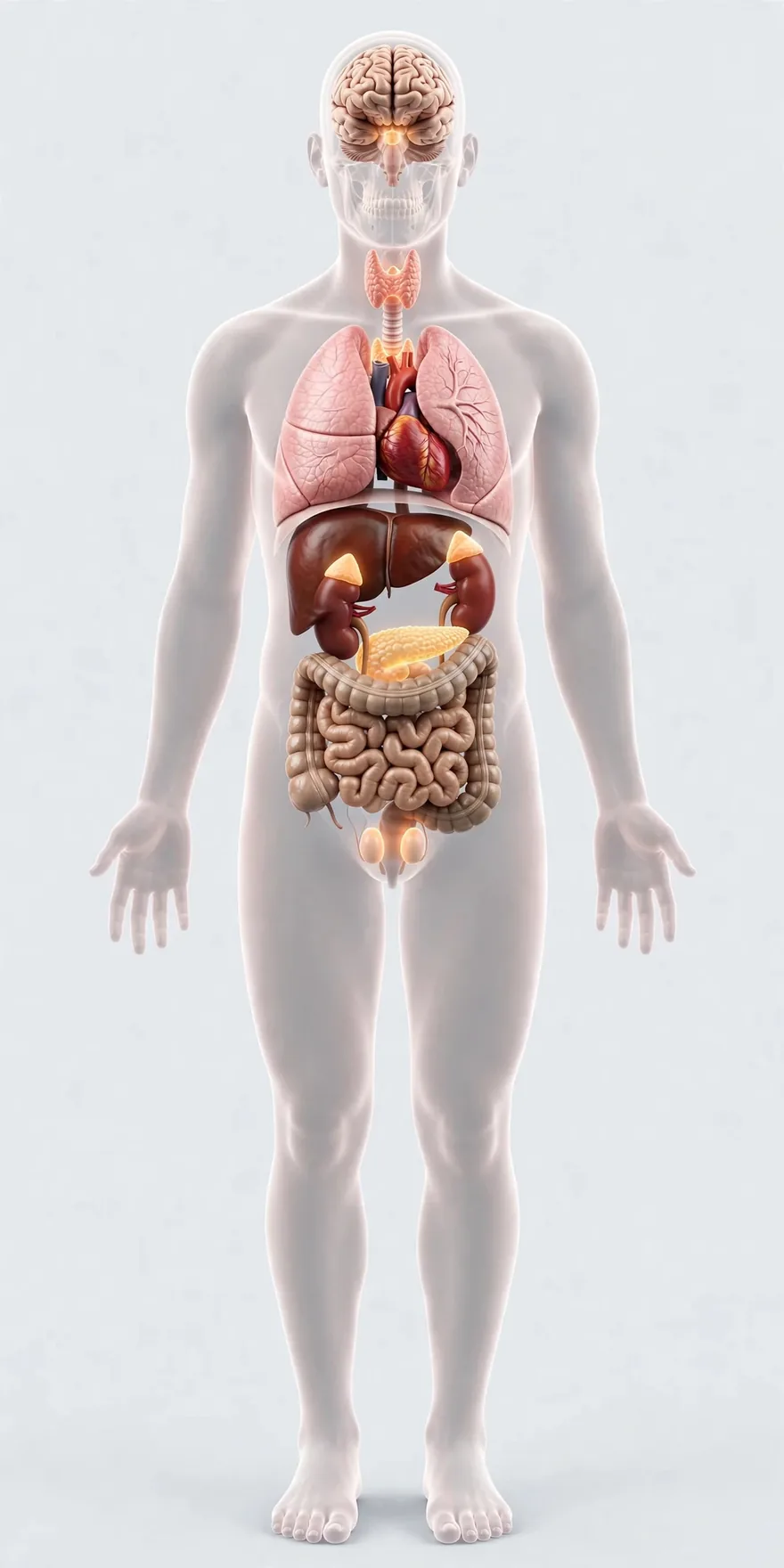
Glucose is the main fuel for the body, and the brain depends on it almost completely. When the blood sugar falls below 70 mg/dL, the body first sends warning signals — releasing hormones that make you shaky, sweaty and hungry — as it tries to raise the level again.
ग्लुकोज शरीरको मुख्य इन्धन हो, र मस्तिष्क लगभग पूर्ण रूपमा यसैमा निर्भर हुन्छ। रगतमा चिनी ७० mg/dL भन्दा तल झरेपछि शरीरले पहिले चेतावनी संकेत पठाउँछ — स्तर फेरि बढाउने प्रयासमा हर्मोन निस्कँदा तपाईं काम्ने, पसिना आउने र भोक लाग्ने गर्नुहुन्छ।
If the level keeps falling, the brain itself runs short of fuel. Thinking slows, speech and behaviour can change, and without treatment a seizure or loss of consciousness can follow. Most lows follow too much insulin or certain diabetes tablets for the food eaten, a missed or delayed meal, unusual exercise, or alcohol on an empty stomach. People with frequent lows may stop feeling the early warnings, making fast sugar and a plan even more important.
स्तर घट्दै गयो भने मस्तिष्क आफैं इन्धनको कमीमा पर्छ। सोचाइ ढिलो र अलमल हुन्छ, बोली र व्यवहार बदलिन सक्छ, र उपचार नपाए काम्ने वा बेहोस हुने अवस्था आउन सक्छ। मधुमेह भएका व्यक्तिमा धेरैजसो यस्तो अवस्था खाएको खानाका लागि insulin वा मधुमेहका निश्चित ट्याब्लेट बढी हुँदा, खाना छुट्दा वा ढिलो हुँदा, असामान्य व्यायाम गर्दा, वा खाली पेटमा मदिरा पिउँदा हुन्छ। बारम्बार यस्तो हुने व्यक्तिमा सुरुका चेतावनी महसुस हुन छाड्न सक्छ, त्यसैले छिटो काम गर्ने चिनी र उपचार योजना साथमा राख्नु झनै महत्त्वपूर्ण हुन्छ।
Once the person feels normal and the reading is above 70 mg/dL, rest and recheck later the same day, because the level can fall again — especially after exercise or if long-acting insulin or a tablet is still working. Note what happened, what may have caused it, and how it was treated, and share that at the next diabetes visit.
व्यक्तिले सामान्य महसुस गरेपछि र मान ७० mg/dL भन्दा माथि आएपछि आराम गर्नुहोस् र सोही दिन पछि फेरि जाँच गर्नुहोस्, किनभने स्तर फेरि घट्न सक्छ — विशेष गरी व्यायामपछि वा लामो समय काम गर्ने insulin वा ट्याब्लेटले अझै काम गरिरहेको छ भने। के भयो, के कारण हुन सक्छ, र के उपचार गरियो भनेर लेखेर राख्नुहोस्, र अर्को मधुमेह जाँचमा त्यो देखाउनुहोस्।
Seek medical care the same day if glucagon was needed, if the person became unconscious, if the low keeps returning, or if you do not know why it happened. Your doctor may review your insulin or tablet plan, your meal timing, and whether glucagon should be kept at home with family members shown how to use it. Never change your regular diabetes medicine plan on your own after one low — discuss it first.
ग्लुकागन आवश्यक पर्यो भने, व्यक्ति बेहोस हुनुभयो भने, चिनी बारम्बार कम भइरहन्छ भने, वा किन भयो भन्ने थाहा छैन भने सोही दिन चिकित्सा सेवा लिनुहोस्। तपाईंको डाक्टरले insulin वा ट्याब्लेटको योजना, खानाको समय, र घरमा ग्लुकागन राखेर परिवारका सदस्यलाई त्यसको प्रयोग सिकाउनुपर्छ कि पर्दैन भनेर हेर्न सक्नुहुन्छ। एउटा पटक कम भएकै भरमा आफ्नो नियमित मधुमेह औषधिको योजना आफैं नबदल्नुहोस् — पहिले छलफल गर्नुहोस्।
Carry fast-acting sugar — glucose tablets or a small juice box — at all times, and keep some by the bed and in the car.
सधैं छिटो काम गर्ने चिनी — ग्लुकोज ट्याब्लेट वा सानो जुसको बट्टा — साथमा राख्नुहोस्, र ओछ्यान नजिकै र गाडीमा पनि राख्नुहोस्।
Check blood sugar before driving, exercise and bedtime if your care team has advised it, and eat regular meals without skipping.
तपाईंको उपचार टोलीले सल्लाह दिएको छ भने गाडी चलाउनुअघि, व्यायामअघि र सुत्नुअघि रगतमा चिनी जाँच गर्नुहोस्, र खाना नछुटाई नियमित रूपमा खानुहोस्।
Teach family, friends and co-workers the signs, where your sugar and glucagon are kept, and that an unconscious person must never be given anything by mouth.
परिवार, साथी र सहकर्मीलाई लक्षण, तपाईंको चिनी र ग्लुकागन कहाँ राखिएको छ, र बेहोस व्यक्तिलाई मुखबाट केही पनि दिनुहुँदैन भनेर सिकाउनुहोस्।
Wear or carry identification that says you have diabetes, so strangers and health workers can help quickly.
तपाईंलाई मधुमेह छ भनेर जनाउने परिचय साथमा राख्नुहोस् वा लगाउनुहोस्, ताकि अपरिचित व्यक्ति र स्वास्थ्यकर्मीले छिटो सहयोग गर्न सकून्।
Myth: Myth: Someone who has fainted from low blood sugar should be given juice or honey in the mouth. Fact: Fact: Nothing should go in the mouth of a person who cannot swallow safely — it can enter the lungs. Lay them on their side, call 102, and use glucagon only if available and someone is trained.
भ्रम: भ्रम: रगतमा चिनी कम भएर बेहोस भएका व्यक्तिलाई मुखमा जुस वा मह दिनुपर्छ। तथ्य: तथ्य: सुरक्षित रूपमा निल्न नसक्ने व्यक्तिको मुखमा केही पनि हाल्नुहुँदैन — यो फोक्सोमा जान सक्छ। उहाँलाई कोल्टे पारेर सुताउनुहोस्, १०२ मा फोन गर्नुहोस्, र ग्लुकागन उपलब्ध छ र कसैलाई तालिम छ भने मात्र प्रयोग गर्नुहोस्।
Myth: Myth: Any sweet food, like chocolate, works just as fast. Fact: Fact: Fat in chocolate slows sugar absorption. Glucose tablets, juice, regular soda, sugar or honey act faster and are the first choice in the 15-15 rule.
भ्रम: भ्रम: चकलेटजस्तो कुनै पनि गुलियो खानाले उत्तिकै छिटो काम गर्छ। तथ्य: तथ्य: चकलेटमा भएको बोसोले चिनी सोसिने गति ढिलो बनाउँछ। ग्लुकोज ट्याब्लेट, जुस, नियमित सोडा, चिनी वा महले छिटो काम गर्छन् र १५-१५ नियममा पहिलो रोजाइ हुन्।
Below 70 mg/dL is the alert level at which the American Diabetes Association and CDC say to treat. If you feel the signs but cannot check, treat anyway rather than waiting.
७० mg/dL भन्दा तलको स्तरलाई American Diabetes Association र CDC ले उपचार गर्नुपर्ने चेतावनी स्तर मानेका छन्। लक्षण महसुस हुन्छ तर जाँच गर्न सकिँदैन भने, नपर्खी उपचार गर्नुहोस्।
Check again. If the reading is still below 70 mg/dL, take another 15 grams of fast-acting carbohydrate and wait another 15 minutes. If you cannot check, or symptoms are getting worse, get medical help.
फेरि जाँच गर्नुहोस्। मान अझै ७० mg/dL भन्दा तल छ भने फेरि छिटो काम गर्ने कार्बोहाइड्रेट १५ ग्राम लिनुहोस् र थप १५ मिनेट पर्खनुहोस्। जाँच गर्न सकिँदैन, वा लक्षण बिग्रँदै छ भने चिकित्सा सहयोग लिनुहोस्।
It is much less common, but it can happen — for example after long fasting, heavy alcohol use, severe illness, or as a side effect of some medicines. A low in someone without diabetes should always be checked by a doctor.
यो धेरै कम हुन्छ, तर हुन सक्छ — उदाहरणका लागि लामो समय खाना नखाँदा, धेरै मदिरा पिउँदा, गम्भीर बिरामी हुँदा, वा केही औषधिको असरले। मधुमेह नभएको व्यक्तिमा यस्तो भएमा सधैं डाक्टरलाई देखाउनुपर्छ।
Glucagon is an emergency treatment that raises blood sugar when a person cannot swallow or is unconscious. People at higher risk of severe lows are often advised by their doctor to keep it at home, with family shown how to use it. It does not replace calling 102.
ग्लुकागन एउटा आपत्कालीन उपचार हो, जसले निल्न नसक्ने वा बेहोस व्यक्तिको रगतमा चिनी बढाउँछ। गम्भीर रूपमा चिनी कम हुने जोखिम बढी भएका व्यक्तिलाई डाक्टरले प्रायः घरमा राख्न र परिवारलाई प्रयोग सिकाउन सल्लाह दिनुहुन्छ। यसले १०२ मा फोन गर्नुको विकल्प लिँदैन।
Facts on this page were checked against these sources in November 2026.
यस पृष्ठका तथ्यहरू नोभेम्बर २०२६ मा यी स्रोतहरूसँग जाँचिएका हुन्।
यो मार्गदर्शन सामान्य शिक्षाका लागि हो, निदान वा व्यक्तिगत उपचार योजना होइन। योग्य चिकित्सकले तपाईंका लक्षण र स्वास्थ्य इतिहास मूल्याङ्कन गर्नुपर्छ।
यो मार्गदर्शन सामान्य शिक्षाका लागि हो, निदान वा व्यक्तिगत उपचार योजना होइन। योग्य चिकित्सकले तपाईंका लक्षण र स्वास्थ्य इतिहास मूल्याङ्कन गर्नुपर्छ।
Every NepalDoc section, one tap away.