First aid / प्राथमिक उपचार
A stroke happens when blood flow to part of the brain is blocked or a blood vessel in the brain bursts. Brain cells begin to die within minutes, so recognising the signs with BE-FAST and calling an ambulance on 102 at once gives the best chance of recovery.मस्तिष्कको कुनै भागमा रगतको प्रवाह रोकिँदा वा मस्तिष्कभित्रको रक्तनली फुट्दा स्ट्रोक (मस्तिष्कघात) हुन्छ। मस्तिष्कका कोषहरू केही मिनेटमै मर्न थाल्छन्, त्यसैले BE-FAST बाट लक्षण चिनेर तुरुन्त १०२ मा एम्बुलेन्स बोलाउनुले निको हुने सम्भावना सबैभन्दा बढी हुन्छ।
Written in plain language by the NepalDoc team for general education. Facts are checked against the primary sources listed at the end of this page.
यो पृष्ठ नेपालडक टोलीले सामान्य शिक्षाका लागि सरल भाषामा लेखेको हो। तथ्यहरू यस पृष्ठको अन्त्यमा दिइएका प्राथमिक स्रोतहरूसँग जाँचिएका छन्।
Clinical review: pendingClinical review: pending — this page has not yet been signed off by a named clinician. When a review happens, the reviewer's name and the date will appear here.
क्लिनिकल समीक्षा बाँकी छ — यो पृष्ठ अझै नाम तोकिएका चिकित्सकबाट स्वीकृत भएको छैन। समीक्षा भएपछि समीक्षकको नाम र मिति यहाँ देखिनेछ।
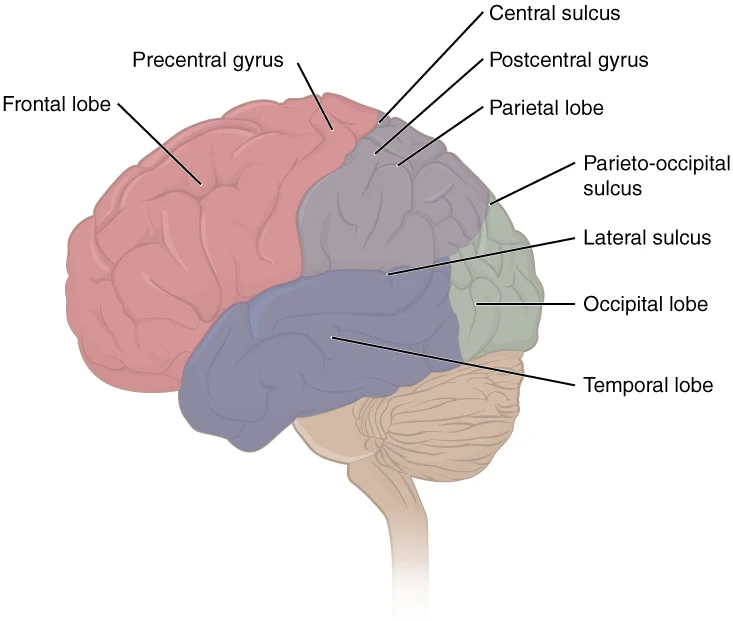
In the most common type, an ischemic stroke, a clot blocks an artery carrying blood to the brain. In a hemorrhagic stroke, a weakened vessel bursts and bleeds into or around the brain. In both, the part beyond the blockage or bleed is starved of oxygen, and the abilities it controls — movement, speech, vision or balance — fail suddenly.
सबैभन्दा सामान्य प्रकार, इस्केमिक स्ट्रोकमा, रगतको ढिक्काले मस्तिष्कमा रगत लैजाने धमनी रोक्छ। हेमोरेजिक स्ट्रोकमा कमजोर रक्तनली फुटेर मस्तिष्कभित्र वा वरपर रगत बग्छ। दुवै प्रकारमा रोकावट वा रक्तस्रावभन्दा परको मस्तिष्क भागले अक्सिजन पाउँदैन, र त्यस भागले नियन्त्रण गर्ने क्षमता — चाल, बोली, दृष्टि वा सन्तुलन — अचानक बन्द हुन्छ।
That is why signs appear all at once, usually on one side. Some strokes are preceded by a transient ischemic attack, or mini-stroke, where the same signs last minutes then clear. It is not harmless: it warns a full stroke may follow soon, and needs the same emergency response. Brain tissue dies quickly and cannot be replaced, so doctors say time is brain — the sooner hospital treatment starts, the more independence can be saved.
त्यही अचानक बन्द भएकै कारण लक्षणहरू एकैचोटि देखिन्छन्, प्रायः शरीरको एकातिर। केही स्ट्रोकअघि ट्रान्जियन्ट इस्केमिक अट्याक, जसलाई कहिलेकाहीँ मिनी-स्ट्रोक पनि भनिन्छ, आउन सक्छ, जसमा उही लक्षण केही मिनेट मात्र रहन्छ र त्यसपछि हराउँछ। यो हानिरहित होइन: यो चाँडै पूर्ण स्ट्रोक हुन सक्ने बलियो चेतावनी हो, र यसलाई पनि उही आपत्कालीन प्रतिक्रिया चाहिन्छ। मस्तिष्कको तन्तु छिट्टै मर्छ र त्यसलाई बदल्न सकिँदैन, त्यसैले डाक्टरहरू प्रायः समय नै मस्तिष्क हो भन्नुहुन्छ — अस्पतालमा जति छिटो रगत प्रवाहको उपचार हुन्छ, त्यति नै बढी मस्तिष्क, र त्यति नै बढी आत्मनिर्भरता, बचाउन सकिन्छ।
In hospital, a scan quickly shows whether a clot or a bleed caused the stroke, because the treatments are opposite. If a clot is the cause and the person arrives within a few hours, clot-dissolving or clot-removal treatment may be possible — one more reason the start time matters. Blood pressure, blood sugar, swallowing and heart rhythm are checked, and rehabilitation usually begins early.
अस्पतालमा, रगतको ढिक्का वा रक्तस्रावमध्ये के कारणले स्ट्रोक भयो भनेर देखाउन मस्तिष्कको स्क्यान छिट्टै गरिन्छ, किनभने दुवैको उपचार उल्टो हुन्छ। कारण ढिक्का हो र व्यक्ति लक्षण सुरु भएको केही घण्टाभित्र पुग्नुभयो भने ढिक्का पगाल्ने वा हटाउने उपचार सम्भव हुन सक्छ — तपाईंले नोट गर्नुभएको सुरुको समय यति महत्त्वपूर्ण हुनुको अर्को कारण यही हो। रक्तचाप, रगतमा चिनी, निल्ने क्षमता र मुटुको चाल सबै जाँच गरिन्छ, र पुनर्स्थापना — फिजियोथेरापी, बोली र दैनिक जीवनका लागि सहयोग — प्रायः छिट्टै सुरु हुन्छ।
Recovery continues for weeks to months. Follow-up visits review blood pressure, cholesterol and diabetes care, and medicines prescribed to prevent another stroke — after a clot-caused stroke this can include an antiplatelet such as acetylsalicylic acid (aspirin), prescribed by the doctor at a dose set in hospital; never start it on your own during an event. Keep every appointment and take prescribed medicines exactly as directed.
अस्पताल छाडेपछि निको हुने क्रम हप्तौंदेखि महिनौंसम्म जारी रहन्छ। फलो-अप भेटमा रक्तचाप नियन्त्रण, कोलेस्ट्रोल, मधुमेहको हेरचाह, र अर्को स्ट्रोक रोक्न अस्पताल टोलीले दिएका औषधिबारे हेरिन्छ — ढिक्काका कारण भएको स्ट्रोकपछि यसमा acetylsalicylic acid (aspirin) जस्तो एन्टिप्लेटलेट औषधि पनि पर्न सक्छ, जुन डाक्टरले अस्पतालमा तय गरिएको मात्रामा दिनुभएको हुन्छ; घटना भइरहेका बेला आफैं कहिल्यै सुरु नगर्नुहोस्। हरेक फलो-अपमा जानुहोस्, दिइएका औषधि ठ्याक्कै भनिएअनुसार लिनुहोस्, र घर नजिकैका पुनर्स्थापना र सहयोग सेवाबारे सोध्नुहोस्।
Control high blood pressure — the single biggest step. Check it regularly, take prescribed treatment, and use less salt.
उच्च रक्तचाप नियन्त्रण गर्नुहोस् — यो सबैभन्दा ठूलो कदम हो। नियमित रूपमा जाँच गर्नुहोस्, दिइएको उपचार लिनुहोस्, र नुन कम प्रयोग गर्नुहोस्।
Do not smoke, limit alcohol, stay active most days, and keep a healthy weight with plenty of vegetables and less fried and processed food.
धूम्रपान नगर्नुहोस्, मदिरा सीमित गर्नुहोस्, धेरैजसो दिन सक्रिय रहनुहोस्, र प्रशस्त तरकारी तथा कम तारेको र प्रशोधित खानासहित स्वस्थ तौल राख्नुहोस्।
Keep diabetes and cholesterol under control with regular checks and the treatment your doctor advises.
नियमित जाँच र डाक्टरले सल्लाह दिनुभएको उपचारबाट मधुमेह र कोलेस्ट्रोल नियन्त्रणमा राख्नुहोस्।
If you have an irregular heartbeat such as atrial fibrillation, keep your appointments — it raises stroke risk and has specific preventive treatment.
तपाईंको मुटुको चाल अनियमित छ, जस्तै एट्रियल फिब्रिलेसन, भने आफ्ना भेटहरू नछुटाउनुहोस् — यसले स्ट्रोकको जोखिम बढाउँछ र यसका लागि विशेष रोकथाम उपचार हुन्छ।
Teach your family BE-FAST. Prevention lowers risk, but fast action on the day is what saves brain.
आफ्नो परिवारलाई BE-FAST सिकाउनुहोस्। रोकथामले जोखिम घटाउँछ, तर घटनाका दिन छिटो कदम चाल्नुले नै मस्तिष्क बचाउँछ।
Myth: Myth: If the signs disappear after a few minutes, it was nothing to worry about. Fact: Fact: Signs that come and go can be a transient ischemic attack — a warning stroke. It needs the same emergency call on 102 and urgent assessment, because a full stroke may follow soon.
भ्रम: भ्रम: लक्षण केही मिनेटपछि हराए भने चिन्ता गर्नुपर्ने कुरा होइन। तथ्य: तथ्य: आउने र जाने लक्षण ट्रान्जियन्ट इस्केमिक अट्याक — चेतावनी दिने स्ट्रोक — हुन सक्छ। यसलाई पनि १०२ मा उही आपत्कालीन फोन र तुरुन्त अस्पताल जाँच चाहिन्छ, किनभने त्यसपछि चाँडै पूर्ण स्ट्रोक हुन सक्छ।
Myth: Myth: Giving aspirin straight away always helps a stroke. Fact: Fact: Aspirin can worsen a stroke caused by bleeding. Only a hospital scan can show the type, so give no aspirin or other medicine during the event — call 102 instead.
भ्रम: भ्रम: तुरुन्त aspirin दिँदा स्ट्रोकमा सधैं मद्दत हुन्छ। तथ्य: तथ्य: रक्तस्रावका कारण भएको स्ट्रोकमा aspirin ले अवस्था बिगार्न सक्छ। प्रकार अस्पतालको स्क्यानले मात्र देखाउँछ, त्यसैले घटना भइरहेका बेला aspirin वा अन्य औषधि नदिनुहोस् — बरु १०२ मा फोन गर्नुहोस्।
Balance loss, Eyes (sudden vision change), Face drooping, Arm weakness, Speech difficulty, and Time to call emergency help — in Nepal, call 102 for an ambulance. Any one sudden sign is enough to call.
Balance (सन्तुलन गुम्नु), Eyes (आँखा — अचानक दृष्टिमा परिवर्तन), Face (अनुहार झुक्नु), Arm (पाखुरा कमजोर हुनु), Speech (बोलीमा कठिनाइ), र Time (आपत्कालीन सहयोग बोलाउने समय) — नेपालमा एम्बुलेन्सका लागि १०२ मा फोन गर्नुहोस्। एउटै अचानक संकेत पनि फोन गर्न पर्याप्त हुन्छ।
Call 102 first. Ambulance crews can start assessment and warn the hospital ahead, and patients arriving by ambulance are usually assessed faster. Drive only if no ambulance is available and someone else can drive while you care for the person.
पहिले १०२ मा फोन गर्नुहोस्। एम्बुलेन्स टोलीले जाँच सुरु गर्न र अस्पताललाई पहिले नै खबर गर्न सक्छ, र एम्बुलेन्सबाट पुगेका स्ट्रोकका बिरामीको जाँच प्रायः छिटो हुन्छ। एम्बुलेन्स उपलब्ध छैन र तपाईंले व्यक्तिको हेरचाह गर्दा अरू कसैले गाडी चलाउन सक्छ भने मात्र लैजानुहोस्।
Clot-dissolving treatment can only be given within a few hours of symptoms starting, and only in hospital after a scan. Knowing when symptoms began — or when the person was last well — helps the team decide quickly and safely.
ढिक्काका कारण भएको स्ट्रोकका लागि ढिक्का पगाल्ने उपचार लक्षण सुरु भएको केही घण्टाभित्र मात्र दिन सकिन्छ, र स्क्यानपछि अस्पतालमा मात्र। लक्षण कहिले सुरु भयो — वा व्यक्ति अन्तिम पटक कहिले ठीक हुनुहुन्थ्यो — भनेर थाहा पाउँदा टोलीलाई छिटो र सुरक्षित निर्णय गर्न मद्दत हुन्छ।
Yes. Stroke is more common in older people and in those with high blood pressure, diabetes, smoking or heart disease, but it can occur at any age. Sudden BE-FAST signs need the same fast response at any age.
हुन सक्छ। स्ट्रोक वृद्ध व्यक्तिमा र उच्च रक्तचाप, मधुमेह, धूम्रपान वा मुटुको रोग भएका व्यक्तिमा बढी सामान्य हुन्छ, तर यो जुनसुकै उमेरमा हुन सक्छ। अचानक देखिने BE-FAST संकेतलाई उमेर जेसुकै भए पनि उही छिटो प्रतिक्रिया चाहिन्छ।
Facts on this page were checked against these sources in November 2026.
यस पृष्ठका तथ्यहरू नोभेम्बर २०२६ मा यी स्रोतहरूसँग जाँचिएका हुन्।
यो मार्गदर्शन सामान्य शिक्षाका लागि हो, निदान वा व्यक्तिगत उपचार योजना होइन। योग्य चिकित्सकले तपाईंका लक्षण र स्वास्थ्य इतिहास मूल्याङ्कन गर्नुपर्छ।
यो मार्गदर्शन सामान्य शिक्षाका लागि हो, निदान वा व्यक्तिगत उपचार योजना होइन। योग्य चिकित्सकले तपाईंका लक्षण र स्वास्थ्य इतिहास मूल्याङ्कन गर्नुपर्छ।
Every NepalDoc section, one tap away.