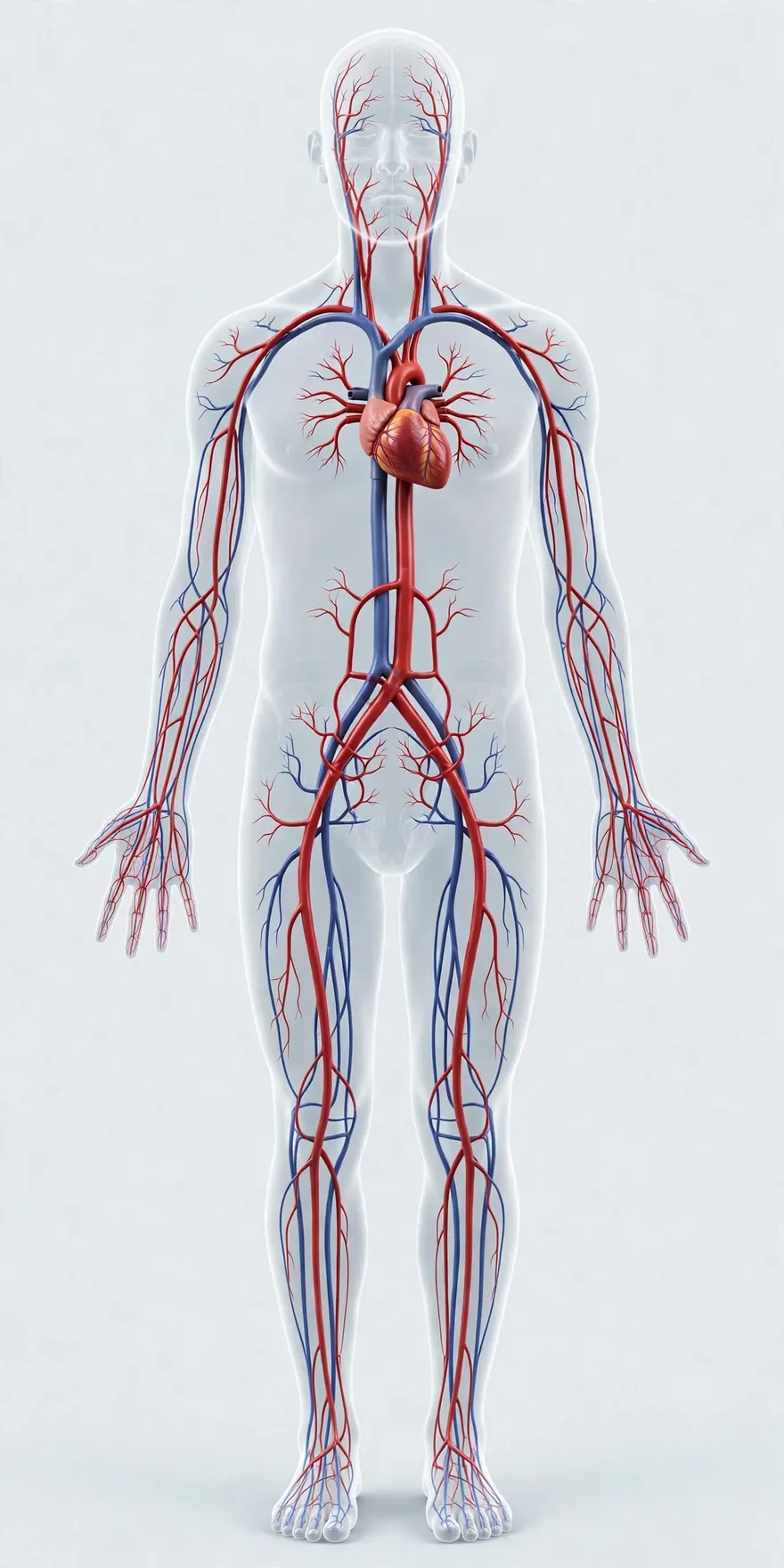
Heart and blood vessel health / मुटु र रक्तनलीको स्वास्थ्य
High cholesterol means too much LDL ('bad') cholesterol and other fats in the blood. It causes no symptoms, yet quietly raises the risk of heart attack and stroke.रगतमा कोलेस्ट्रोल बढी हुनु भनेको रगतमा LDL ('खराब') कोलेस्ट्रोल र अन्य बोसो धेरै हुनु हो। यसले कुनै लक्षण दिँदैन, तर चुपचाप हृदयघात र मस्तिष्कघातको जोखिम बढाउँछ।
Written in plain language by the NepalDoc team for general education. Facts are checked against the primary sources listed at the end of this page.
यो पृष्ठ नेपालडक टोलीले सामान्य शिक्षाका लागि सरल भाषामा लेखेको हो। तथ्यहरू यस पृष्ठको अन्त्यमा दिइएका प्राथमिक स्रोतहरूसँग जाँचिएका छन्।
Clinical review: pendingClinical review: pending — this page has not yet been signed off by a named clinician. When a review happens, the reviewer's name and the date will appear here.
क्लिनिकल समीक्षा बाँकी छ — यो पृष्ठ अझै नाम तोकिएका चिकित्सकबाट स्वीकृत भएको छैन। समीक्षा भएपछि समीक्षकको नाम र मिति यहाँ देखिनेछ।
Cholesterol is a fatty substance the body needs in small amounts to build cells and make some hormones. It travels in the blood inside tiny packages. One kind, LDL cholesterol, is often called 'bad' because when there is too much of it, it leaves cholesterol in the walls of arteries. Another kind, HDL cholesterol, is called 'good' because it carries cholesterol away from the arteries back to the liver. Triglycerides are a third blood fat, raised by sugary food, alcohol and extra weight.
कोलेस्ट्रोल शरीरलाई कोष बनाउन र केही हर्मोन बनाउन थोरै मात्रामा चाहिने बोसोयुक्त पदार्थ हो। यो रगतमा साना प्याकेजभित्र बग्छ। एउटा किसिम, LDL कोलेस्ट्रोल, लाई प्रायः 'खराब' भनिन्छ किनभने धेरै हुँदा यसले धमनीको भित्तामा कोलेस्ट्रोल छोड्छ। अर्को किसिम, HDL कोलेस्ट्रोल, लाई 'राम्रो' भनिन्छ किनभने यसले कोलेस्ट्रोललाई धमनीबाट कलेजोतिर फर्काउँछ। ट्राइग्लिसराइड तेस्रो रगतको बोसो हो, चिनीयुक्त खाना, मदिरा र बढी तौलले बढ्ने।
WHO describes dyslipidaemia — the medical word for abnormal blood fats — as typically raised total or LDL cholesterol, raised triglycerides, or low HDL cholesterol. Over years, LDL drives the build-up of plaque in arteries. The narrowed arteries raise the risk of heart attack and stroke, which is why a condition with no symptoms still matters so much.
असामान्य रगतको बोसोका लागि चिकित्सकीय शब्द डिस्लिपिडेमियालाई WHO ले सामान्यतया बढेको कुल वा LDL कोलेस्ट्रोल, बढेको ट्राइग्लिसराइड, वा कम HDL कोलेस्ट्रोल भनेर वर्णन गर्छ। वर्षौंमा, LDL ले धमनीमा प्लाक जम्मा गराउँछ। साँघुरिएका धमनीले हृदयघात र मस्तिष्कघातको जोखिम बढाउँछ, त्यसैले कुनै लक्षण नभएको अवस्था पनि यति महत्त्वपूर्ण हुन्छ।
In an emergency, call 102 for an ambulance.
आपत्कालीन अवस्थामा एम्बुलेन्सका लागि १०२ मा फोन गर्नुहोस्।
Cholesterol comes from two places: the liver makes most of it, and food adds more, especially foods high in saturated fat such as fatty meat, ghee and butter, full-fat dairy and deep-fried food. Habits build up over years: eating this way, moving little, carrying extra weight, smoking and drinking too much alcohol all push LDL up and HDL down.
कोलेस्ट्रोल दुई ठाउँबाट आउँछ: धेरैजसो कलेजोले बनाउँछ, र खानाले थप्छ, विशेष गरी बोसोयुक्त मासु, घिउ र मक्खन, बोसोयुक्त दुग्ध उत्पादन र धेरै तारेको खानाजस्ता स्याचुरेटेड बोसो बढी भएका खाना। बानीहरू वर्षौंसम्म बन्छन्: यसरी खानु, कम हिँडडुल गर्नु, बढी तौल हुनु, धूम्रपान गर्नु र धेरै मदिरा पिउनु सबैले LDL बढाउँछन् र HDL घटाउँछन्।
Some people inherit high cholesterol. In familial hypercholesterolaemia, high LDL runs in families from a young age, even in people who eat well and are slim. Other conditions — diabetes, an underactive thyroid, and kidney or liver disease — and some medicines can also raise cholesterol. A family history of early heart disease is a reason to test earlier.
केही मानिसले उच्च कोलेस्ट्रोल वंशाणुगत रूपमा पाउँछन्। पारिवारिक हाइपरकोलेस्ट्रोलेमियामा, राम्ररी खाने र दुब्ला मानिसमा पनि सानै उमेरदेखि परिवारमा उच्च LDL चल्छ। अन्य अवस्थाहरू — मधुमेह, थाइराइड कम सक्रिय हुनु, र मिर्गौला वा कलेजोको रोग — र केही औषधिले पनि कोलेस्ट्रोल बढाउन सक्छन्। परिवारमा कम उमेरमा मुटुको रोगको इतिहास भए छिटो जाँच गर्ने कारण बन्छ।
Ask for a cholesterol test if you are an adult who has never had one, and repeat it as your doctor advises — especially if you have high blood pressure, diabetes, smoke, carry extra weight, or a parent or sibling had heart disease or high cholesterol young. Testing is the only way to know, because high cholesterol gives no warning of its own.
कहिल्यै जाँच नगर्नुभएको वयस्क हुनुहुन्छ भने कोलेस्ट्रोल जाँच माग्नुहोस्, र डाक्टरले सल्लाह दिएअनुसार दोहोर्याउनुहोस् — विशेष गरी तपाईंलाई उच्च रक्तचाप, मधुमेह भए, धूम्रपान गर्नुहुन्छ, बढी तौल छ, वा आमाबाबु वा दाजुभाइ-दिदीबहिनीलाई कम उमेरमा मुटुको रोग वा उच्च कोलेस्ट्रोल भए। जाँच नै थाहा पाउने एक मात्र उपाय हो, किनभने उच्च कोलेस्ट्रोलले आफैं कुनै चेतावनी दिँदैन।
See a doctor promptly, rather than waiting for a routine check, if you notice yellowish fatty deposits around the eyelids, lumps on tendons, or a pale ring around the coloured part of the eye at a young age — WHO lists these as possible signs of very high cholesterol, especially the inherited kind.
आँखाको ढकनी वरिपरि पहेँला बोसोयुक्त थुप्रो, स्नायु (टेन्डन) मा गाँठो, वा कम उमेरमा आँखाको रङ्गीन भाग वरिपरि फिक्का घेरा देखे नियमित जाँच पर्खनुको सट्टा तुरुन्तै डाक्टरलाई भेट्नुहोस् — यी धेरै उच्च कोलेस्ट्रोलका, विशेष गरी वंशाणुगत किसिमका, सम्भावित लक्षण हुन् भनी WHO भन्छ।
High cholesterol is diagnosed with a blood test called a lipid profile, which measures total cholesterol, LDL, HDL and triglycerides. Guidance increasingly allows the test without fasting, WHO notes, though your doctor or ल्याब may still ask you to fast for the most precise triglyceride reading.
उच्च कोलेस्ट्रोल लिपिड प्रोफाइल भनिने रगत जाँचबाट निदान गरिन्छ, जसले कुल कोलेस्ट्रोल, LDL, HDL र ट्राइग्लिसराइड नाप्छ। जाँच बढ्दो रूपमा खाना नखाईकन पनि गर्न सकिन्छ भनी WHO भन्छ, तर सबैभन्दा सही ट्राइग्लिसराइड नतिजाका लागि डाक्टर वा ल्याबले अझै तपाईंलाई खाना नखान भन्न सक्छ।
One result is never the whole story. The doctor looks at the numbers together with your age, blood pressure, blood sugar, smoking, weight and family history to judge your overall risk of heart disease and stroke. That overall picture — not a single number — decides how strongly to treat and how often to re-check.
एउटा नतिजा कहिल्यै पूरा कथा होइन। डाक्टरले ती संख्यासँगै तपाईंको उमेर, रक्तचाप, रगतमा चिनी, धूम्रपान, तौल र परिवारको इतिहास हेरेर मुटुको रोग र मस्तिष्कघातको तपाईंको समग्र जोखिम मूल्याङ्कन गर्नुहुन्छ। त्यो समग्र तस्बिरले — एउटा संख्याले होइन — कति कडाइका साथ उपचार गर्ने र कति पटक फेरि जाँच गर्ने भन्ने निर्णय गर्छ।
Treatment starts with everyday habits: less saturated fat, more fibre-rich food, regular activity, a healthier weight, and no smoking. For many people this lowers LDL meaningfully, and it helps blood pressure and blood sugar at the same time.
उपचार दैनिक बानीबाट सुरु हुन्छ: कम स्याचुरेटेड बोसो, बढी रेसायुक्त खाना, नियमित गतिविधि, स्वस्थ तौल, र धूम्रपान नगर्नु। धेरै मानिसका लागि यसले LDL अर्थपूर्ण रूपमा घटाउँछ, र एकै समयमा रक्तचाप र रगतमा चिनीलाई पनि मद्दत गर्छ।
When habits are not enough, or overall risk is high, doctors prescribe cholesterol-lowering medicines. Statins, such as atorvastatin and rosuvastatin, are the first-line treatment in almost all guidelines, WHO notes, and have been on the WHO list of essential medicines since 2007. Other medicines can be added or substituted when needed. Treatment is long-term: cholesterol rises again if medicines are stopped, so discuss any wish to stop with your doctor first.
बानी पर्याप्त नहुँदा, वा समग्र जोखिम उच्च हुँदा, डाक्टरले कोलेस्ट्रोल घटाउने औषधि दिनुहुन्छ। atorvastatin र rosuvastatin जस्ता स्ट्याटिन लगभग सबै मार्गदर्शनमा पहिलो रोजाइको उपचार हुन् भनी WHO भन्छ, र ती सन् २००७ देखि WHO को अत्यावश्यक औषधिको सूचीमा छन्। चाहिँदा अन्य औषधि थप्न वा बदल्न सकिन्छ। उपचार दीर्घकालीन हुन्छ: औषधि छोडे कोलेस्ट्रोल फेरि बढ्छ, त्यसैले छोड्ने चाहना भए पहिले डाक्टरसँग कुरा गर्नुहोस्।
Managing cholesterol is a long, steady game, not a short course. Build meals around vegetables, lentils, beans and whole grains, cook with less ghee and fried food, and walk or do other activity most days. Keep a simple note of your test results and dates, so you and your doctor can see the trend over the years, not just one number.
कोलेस्ट्रोल व्यवस्थापन गर्नु लामो, स्थिर खेल हो, छोटो कोर्स होइन। तरकारी, दाल, सिमी र साबुत अन्नमा आधारित खाना बनाउनुहोस्, कम घिउ र कम तारेको खानासँग पकाउनुहोस्, र धेरैजसो दिन हिँड्नुहोस् वा अन्य गतिविधि गर्नुहोस्। आफ्नो जाँच नतिजा र मितिको साधारण नोट राख्नुहोस्, ताकि तपाईं र डाक्टरले एउटा संख्यामा मात्र होइन, वर्षौंको प्रवृत्ति देख्न सकून्।
If side effects from a statin trouble you — such as muscle aches — tell your doctor instead of quietly stopping. Doses and medicines can be adjusted, and stopping without a plan lets LDL climb back. Bring your medicine list to every visit, including anything bought from a shop or taken as a traditional remedy.
स्ट्याटिनको साइड इफेक्टले दुःख दिए — जस्तै मांसपेशी दुख्नु — चुपचाप छोड्नुको सट्टा डाक्टरलाई भन्नुहोस्। मात्रा र औषधि मिलाउन सकिन्छ, र योजना बिना छोड्नुले LDL फेरि बढाउँछ। पसलबाट किनेको वा परम्परागत उपचारका रूपमा लिएकोसहित आफ्नो औषधिको सूची हरेक भेटमा ल्याउनुहोस्।
Preventing high cholesterol uses the same habits that treat it: eat more vegetables, fruit, lentils and whole grains, choose less fatty meat, ghee and deep-fried food, move most days, keep a healthy weight, and do not smoke. Limit alcohol, and treat blood pressure and blood sugar if you have them — the risks multiply together.
उच्च कोलेस्ट्रोल रोक्न यसलाई उपचार गर्ने उही बानीहरू प्रयोग हुन्छन्: बढी तरकारी, फलफूल, दाल र साबुत अन्न खानुहोस्, कम बोसोयुक्त मासु, घिउ र धेरै तारेको खाना छान्नुहोस्, धेरैजसो दिन हिँडडुल गर्नुहोस्, स्वस्थ तौल राख्नुहोस्, र धूम्रपान नगर्नुहोस्। मदिरा सीमित गर्नुहोस्, र रक्तचाप र रगतमा चिनी भए उपचार गर्नुहोस् — जोखिमहरू सँगै गुणा हुन्छन्।
Test rather than guess. If high cholesterol or early heart disease runs in your family, start testing earlier and repeat as advised. Children in families with the inherited form may need testing too — ask your doctor.
अनुमान होइन, जाँच गर्नुहोस्। तपाईंको परिवारमा उच्च कोलेस्ट्रोल वा कम उमेरको मुटुको रोग चले छ भने छिटो जाँच सुरु गर्नुहोस् र सल्लाहअनुसार दोहोर्याउनुहोस्। वंशाणुगत रूप भएका परिवारका बच्चालाई पनि जाँच चाहिन सक्छ — डाक्टरलाई सोध्नुहोस्।
Myth: If I feel fine, my cholesterol must be fine. Fact: High cholesterol is usually silent, WHO confirms. Heart attack or stroke can be the first sign. A simple blood test is the only reliable way to know your levels.
भ्रम: मलाई ठीक लागे मेरो कोलेस्ट्रोल पनि ठीक हुनुपर्छ। तथ्य: उच्च कोलेस्ट्रोल सामान्यतया मौन हुन्छ भनी WHO ले पक्का गर्छ। हृदयघात वा मस्तिष्कघात पहिलो लक्षण हुन सक्छ। आफ्नो स्तर थाहा पाउने एउटै भरपर्दो उपाय साधारण रगत जाँच हो।
Myth: Once I take a statin, I can eat anything I like. Fact: Medicines are not a substitute for habits, and habits are not always enough on their own. WHO notes statins are the first-line treatment in almost all guidelines — most people do best with both together.
भ्रम: स्ट्याटिन खान थालेपछि म जे मन लाग्यो खान सक्छु। तथ्य: औषधि बानीको विकल्प होइन, र बानी मात्र सधैं पर्याप्त हुँदैन। लगभग सबै मार्गदर्शनमा स्ट्याटिन पहिलो रोजाइको उपचार हो भनी WHO भन्छ — धेरैजसो मानिसले दुवै सँगै गर्दा सबैभन्दा राम्रो गर्छन्।
No. Only a blood lipid profile can tell. WHO stresses dyslipidaemia is silent for almost everyone, so testing matters even when you feel well.
देखाउँदैन। रगतको लिपिड प्रोफाइलले मात्र भन्न सक्छ। लगभग सबैका लागि डिस्लिपिडेमिया मौन हुन्छ भनी WHO जोड दिन्छ, त्यसैले स्वस्थ महसुस हुँदा पनि जाँच महत्त्वपूर्ण छ।
LDL deposits cholesterol in artery walls, so it is called bad. HDL carries cholesterol back to the liver, so it is called good. Triglycerides are another blood fat, raised by sugary food, alcohol and extra weight.
LDL ले धमनीको भित्तामा कोलेस्ट्रोल जम्मा गर्छ, त्यसैले खराब भनिन्छ। HDL ले कोलेस्ट्रोल कलेजोतिर फर्काउँछ, त्यसैले राम्रो भनिन्छ। ट्राइग्लिसराइड अर्को रगतको बोसो हो, चिनीयुक्त खाना, मदिरा र बढी तौलले बढ्ने।
Yes. It changes over time with food, activity and weight, and medicines lower it further. Doctors re-check levels rather than treat one old result forever.
सक्छ। यो खाना, गतिविधि र तौलसँगै बदलिन्छ, र औषधिले थप घटाउँछ। डाक्टरले पुरानो एउटा नतिजालाई सधैं उपचार गर्नुको सट्टा स्तर फेरि जाँच गर्नुहुन्छ।
Not always. Many people lower LDL well with food and activity alone. People at higher risk, or with inherited high cholesterol, usually need a statin too.
सधैं चाहिँदैन। धेरैले खाना र गतिविधिले मात्र LDL राम्ररी घटाउँछन्। जोखिम बढी भएका वा वंशाणुगत उच्च कोलेस्ट्रोल भएकालाई सामान्यतया स्ट्याटिन पनि चाहिन्छ।
No. Thin people can have high cholesterol too, especially the inherited kind. Causes include food, activity, smoking, other illnesses and family history, not weight alone.
होइन। दुब्ला मानिसमा पनि उच्च कोलेस्ट्रोल हुन सक्छ, विशेष गरी वंशाणुगत किसिम। कारणमा खाना, गतिविधि, धूम्रपान, अन्य रोग र परिवारको इतिहास पर्छन्, तौल मात्र होइन।
Facts on this page were checked against these sources in November 2026.
यस पृष्ठका तथ्यहरू नोभेम्बर २०२६ मा यी स्रोतहरूसँग जाँचिएका हुन्।
यो मार्गदर्शन सामान्य शिक्षाका लागि हो, निदान वा व्यक्तिगत उपचार योजना होइन। योग्य चिकित्सकले तपाईंका लक्षण र स्वास्थ्य इतिहास मूल्याङ्कन गर्नुपर्छ।
यो मार्गदर्शन सामान्य शिक्षाका लागि हो, निदान वा व्यक्तिगत उपचार योजना होइन। योग्य चिकित्सकले तपाईंका लक्षण र स्वास्थ्य इतिहास मूल्याङ्कन गर्नुपर्छ।
Every NepalDoc section, one tap away.